Mon to Fri 7:00 am - 5:30 pm · After-hours moves by booking
AFRA member 0000 (sample) · Perth, Western Australia
Your office shuts on Friday. It works on Monday.
Coastline runs commercial relocations across Perth metro and interstate: one named relocation manager, a written runsheet, and a per-item manifest from the first site walk to the last crate collected.
Six managers, one assigned to your project from the first site walk to the last crate collected. Site surveys across Perth metro at no charge.
6Relocation managers
Plan your relocation
Sectors
Sectors we relocate across Western Australia
Mining and resources offices
Engineering consultancies
Medical suites and clinics
Pathology and laboratories
Universities and TAFE campuses
Independent schools
State government agencies
Local government
Law firms and chambers
Accounting practices
Not-for-profits
Marine and port services
Mining and resources offices
Engineering consultancies
Medical suites and clinics
Pathology and laboratories
Universities and TAFE campuses
Independent schools
State government agencies
Local government
Law firms and chambers
Accounting practices
Not-for-profits
Marine and port services
Accreditation
What AFRA accreditation actually guarantees
AFRA is the Australian Furniture Removers Association. Anyone can print 'fully insured' on a truck. AFRA accreditation is the only industry credential in this country that is audited, and it is worth knowing exactly what the audit covers, because it is narrower and more useful than most people assume.
AFRA member 0000
Accredited since 2009 (sample) · Australian Furniture Removers Association
Audited equipment and vehicles
Vehicles, trailers, containers and handling equipment are inspected against the association's minimum standards. Load restraint, tail lifts, blanket stock, trolleys and tie-down points all form part of the audit, not just whether the truck runs.
Re-audited on the association's cycle, and any equipment that fails is out of service until it is rectified.
Premises and storage standards
The depot is audited too: storage module construction, racking, security, fire systems and segregation of stored consignments. It is why 'we have a shed' and 'we have accredited storage' are not the same sentence.
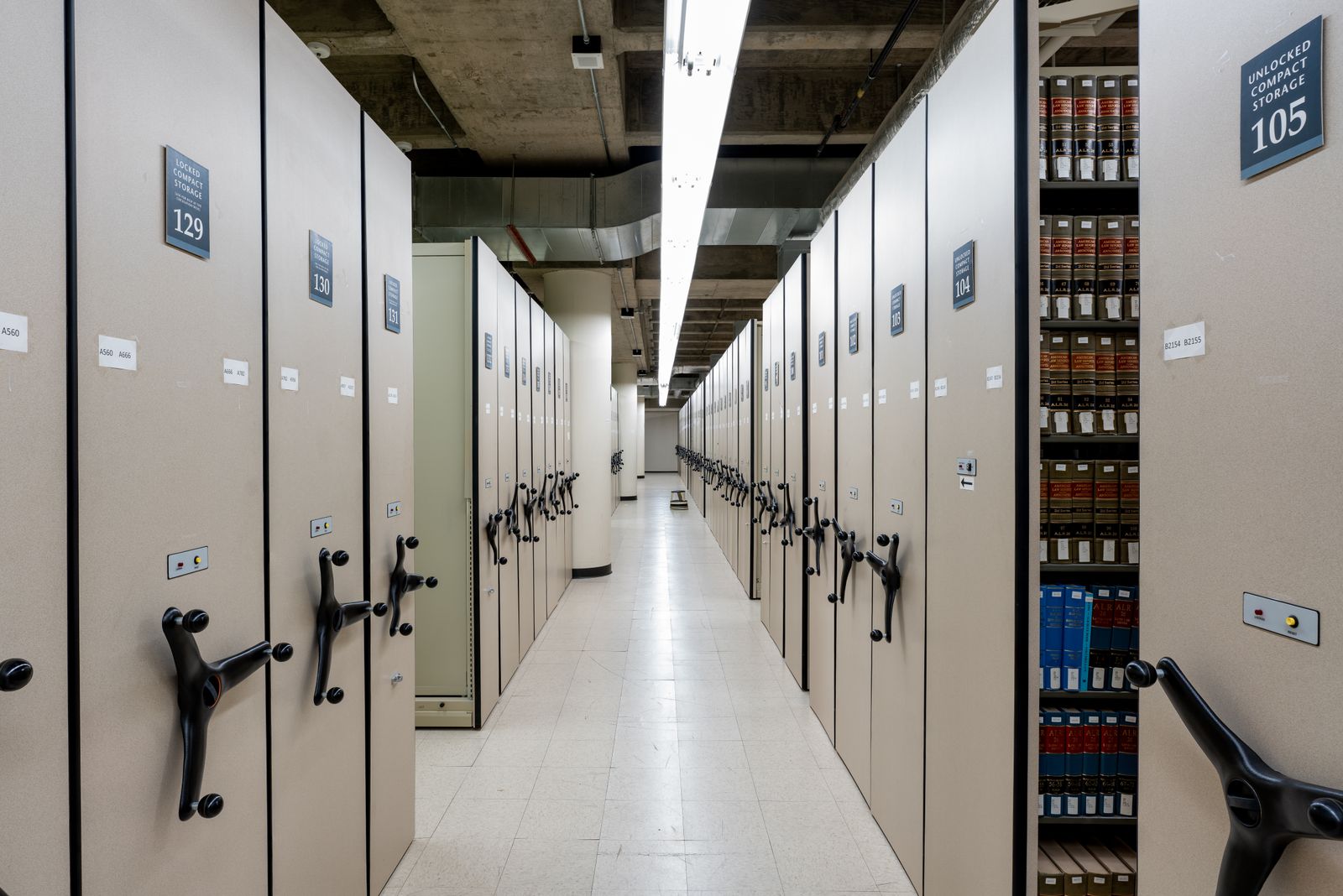
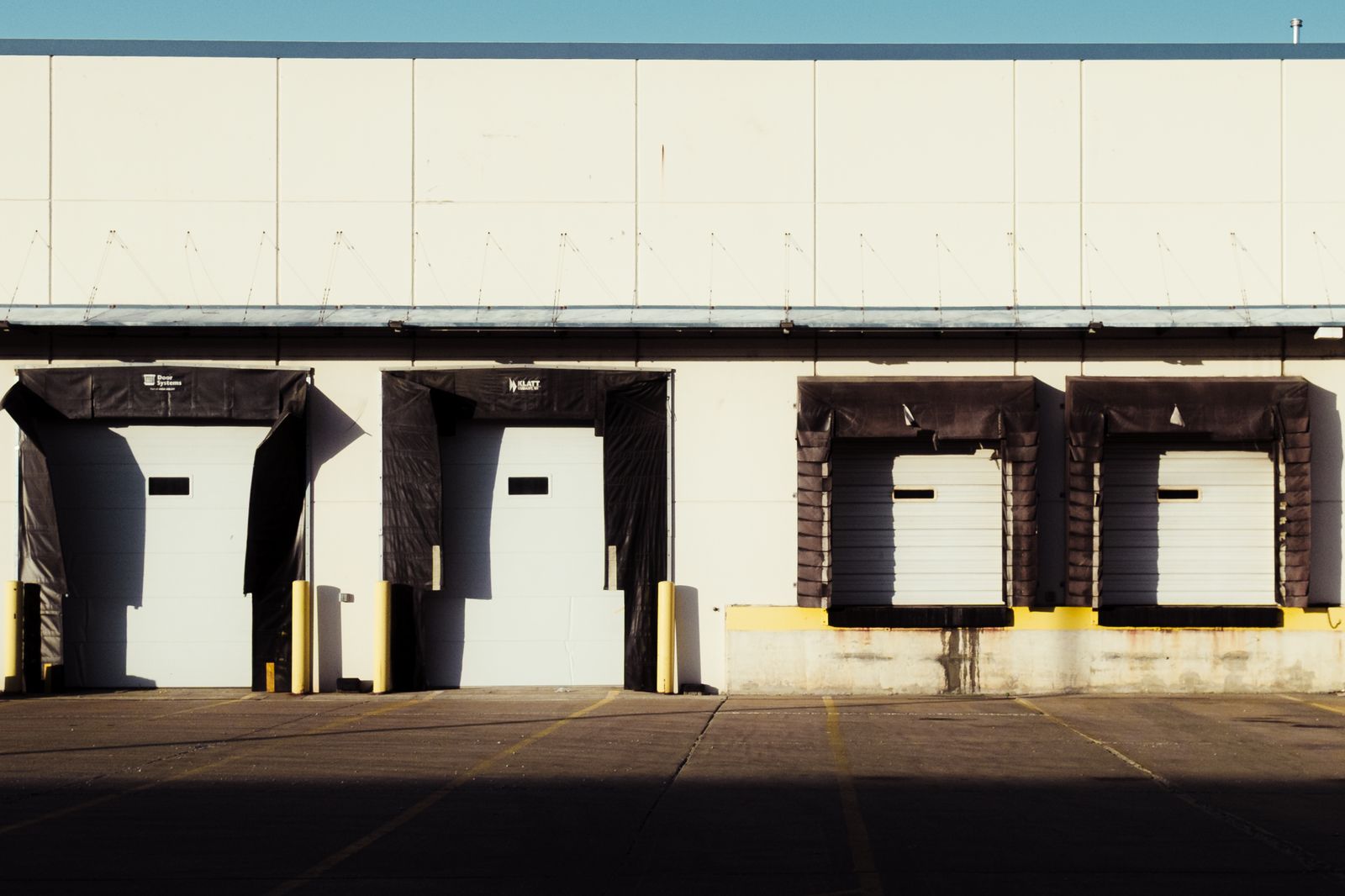
Osborne Park depot audited for module storage and archive shelving (sample).
Trained crew, not casual labour
Accredited members must train crew to the association's competency standards for packing, load restraint, manual handling and customer contact. It does not eliminate casual staff, but it does mean training is documented and auditable.
Crew competency records held per employee and available on request.
A code of conduct with teeth
Members agree to a written code covering quoting, contract terms, cancellation and complaint handling. Where a dispute cannot be resolved directly, the association operates a dispute resolution process. A non-member offers you nothing but a phone number.
Escalation path is written into our terms, with the association named.
Minimum insurance in force
Accreditation requires public liability cover and the right to arrange transit cover for clients. It does not automatically insure your goods, which is the most common misunderstanding in this industry.
Certificate of currency issued to your building manager on request, at both ends.
What it does not cover
AFRA accreditation is not a warranty on outcomes, a guarantee of price, or transit insurance for your goods. It does not make a bad runsheet good. Treat it as a floor on conduct and equipment, and judge the rest on the plan you are shown.
We say this out loud because the alternative is a disappointed client.
Membership number, audit dates and the depot accreditation shown here are obviously-fake sample placeholders for this demo site.
Cover
'Fully insured' is four different things
Carrier's liability, restricted transit cover, full replacement value and public liability protect different people against different events. The distinction decides who pays when a monitor arrives in three pieces.
01
Carrier's liability
What you get by default, and it is less than people think
Basis
Limited liability for proven negligence only, capped per consignment
Excess
Not applicable; the cap is the limit
Suits
Low-value consignments where replacement is trivial
Responds to
Loss or damage caused by our proven negligence, up to the contract cap
Nothing is payable simply because an item arrived broken
Does not respond to
Damage with no proven negligence, including normal transit vibration
Owner-packed cartons where the packing itself caused the damage
Mechanical or electrical failure with no external damage
Anything you did not tell us was there
02
Restricted transit cover
Named events only. The mid-tier most offices are offered by default
Basis
Declared consignment value, named perils
Excess
$500 to $1,000 per claim (sample bands)
Suits
Standard office furniture and fitout consignments
Responds to
Fire, flood, collision, overturning and theft of the whole vehicle or module
Loss of an entire sealed module
Damage arising from a named event during loading or unloading
Does not respond to
Individual item damage with no named event
Scratching, chipping and denting during normal handling
Owner-packed cartons unless the carton itself was destroyed by a named event
Data, records and software value; only the physical media is covered
03
Full replacement value
Accidental damage and loss, item by item. What we recommend for fitout
We recommend
Basis
Declared value per item or per schedule, accidental damage and loss
Excess
$250 to $500 per claim, or nil on a declared high-value schedule (sample bands)
Suits
Anything with a real replacement cost: IT, artwork, joinery, laboratory equipment
Responds to
Accidental loss or damage during packing, loading, transit, unloading and install
Individual item claims without proving a named event
Declared high-value items at their scheduled value
Storage while the consignment is held in our modules, if extended
Does not respond to
Wear, tear, rust, mould and gradual deterioration
Inherent vice, such as a pressed-board desk that cannot survive a second build
Data reconstruction and business interruption
Items excluded on the declaration, including cash and negotiable documents
04
Public liability and workers compensation
Different cover, different purpose. Your building manager wants this one
Basis
Third party injury and third party property damage during our work
Excess
Policy excess applies to third party claims, not to your goods
Suits
Every job. It is a condition of access in most Perth buildings
Responds to
Injury to a third party caused by our work
Damage to the building: lift linings, lobby floors, door jambs, glazing
Our workers under Western Australian workers compensation
Certificate of currency issued to building managers at both ends
Does not respond to
Your own goods, which is what transit cover is for
Damage from a defect in the building that existed before we arrived
Contractors you engage directly and we do not control
IT and comms
The comms room decides your weekend
Furniture can be moved twice. A network cutover cannot. These are the four checks that sit between a Friday shutdown and a testable network on Sunday lunchtime.
The destination room is checked before anything is unplugged
A comms room that is not ready on the Saturday is the single most common reason an office relocation loses its window. We run a written readiness check at the destination before the shutdown date is confirmed, and we put the result in writing whether you like it or not.
Rack space available
Free RU per rack, front and rear clearance, plinth or castors
Power
Circuit count, single or three phase, C13 and C19 outlet count, UPS runtime
Cooling
Dedicated split or in-rack, kW capacity against measured load, condensate drain
Floor loading
Slab or raised floor rating against loaded rack mass, often above 800 kg
Pathway
Cable tray, riser access, conduit from comms room to floor distributors
Access
After-hours building access, comms room key or card, lift booking for rack delivery
Written readiness report issued before the shutdown date is locked
Photographs of every rack front and rear, at both sites
If the room is not ready we propose options rather than land racks in it
Documented to the rack unit, bagged to the device
Racks are audited to the RU before a single cable moves. Every device is recorded by position, serial and patch destination, cables are labelled at both ends, and rail kits, cage nuts and power leads stay taped to the device they belong to.
Audit
Photo front and rear, device list by RU, serial numbers captured
Cable labelling
Both ends labelled before removal, patch leads bagged per panel
Crating
Foam-lined anti-static crates for active equipment, one device per cell
Full racks
Travel upright on air-ride suspension, strapped to the vehicle wall
Custody
Two-person custody, signed manifest at uplift and at delivery
Vehicle
Direct run, no consolidation with other consignments
One device per crate cell, never stacked loose
Racks never travel on their side, regardless of doorway convenience
GPS tracked direct run between sites, no depot stop
Carrier lead times you cannot compress, so book them first
We move equipment. We cannot move a carrier order. The services below carry lead times that routinely decide the relocation date, and they are the first thing your relocation manager will ask about, usually before the furniture is even discussed.
Enterprise Ethernet
20 to 40 business days from order, longer if civil works are required (sample)
Business fibre
15 to 30 business days, subject to existing lead-in (sample)
Business-grade broadband
5 to 15 business days where the lead-in exists (sample)
SIP and number porting
10 to 20 business days, port dates are fixed once accepted (sample)
Overlap period
Run both services for 2 to 4 weeks so the cutover is reversible
Site contact
Carrier install needs a named contact with after-hours building access
Order carrier services before you sign the removals contract, not after
Keep the old service live for an overlap window wherever the lease allows
Number porting dates are the one date nobody can move for you
Test results, not a promise that it is plugged in
Structured cabling at the new tenancy is usually the fitout contractor's scope, not ours. What matters to your weekend is whether the certification results exist before the racks land, because a failed permanent link on the Sunday is a very expensive discovery.
Cable category
Cat6 or Cat6A to the workpoint, OM4 or single mode between distributors
Certification
Permanent link test results per outlet, supplied as a report, not a verbal pass
Labelling
Outlet, patch panel port and floor distributor labelled to a consistent scheme
Density
Outlets per workpoint against actual device count, including screens and phones
Patch schedule
Panel to switch port map agreed before patching begins
WAPs
Access point positions cabled and powered, with PoE budget confirmed
We patch to your schedule; we do not invent one on the night
Certification reports are requested from the cabler before the shutdown
Outlet labelling mismatches are logged, photographed and reported, not worked around silently
Patient files, client files, personnel records and statutory registers are not a carton job. Custody has to begin in your file room, because a chain that starts after the cartons have travelled is not a chain.
C1
Inventory and retention mark-up
Before a single carton is sealed, your records manager marks each record series with a retention period and a destruction date. The inventory is the contract; everything after this stage is just executing it.
Record series listed: finance, contracts, personnel, client files, statutory registers
Retention period and destruction date entered per series by your authorised person
Named authorisers recorded: only these people can request retrieval or destruction
C2
Barcode and seal at your site
Cartons are barcoded and scanned in your tenancy, not at our depot. Custody begins where the records are, which is the only point at which a chain is actually unbroken.
Standard archive carton 400 x 320 x 260 mm, barcode applied and scanned on close
Carton contents summary recorded against the barcode
Two-person uplift with a signed handover sheet, counted against the inventory
C3
Asset register for equipment
IT and high-value assets are handled the same way as records. Each asset is tagged, photographed and tied to a destination workpoint or rack position, which also gives you a reconciled asset register on the other side.
Asset tag, serial number and condition photo captured at uplift
Destination workpoint or rack RU recorded against each asset
Exception report issued within 24 hours of delivery for anything unreconciled
C4
Scan to shelf location
At the depot, every carton is scanned to a specific shelf location and every furniture module to a bay. Nothing is 'somewhere in row four'. Your monthly statement lists what is held and where.
Carton scanned to aisle, bay, shelf and position
Furniture in sealed 7 m³ modules, module number recorded
Monthly inventory statement including cartons approaching their destruction date
C5
Retrieval on named authority
Retrieval requests are accepted only from the named authorisers on your account. Each retrieval is logged with the requester, the time, the barcode and the person who signed for it at delivery.
Next business day standard; same day for Perth metro if logged before 11:00 am
Request by barcode or by description against the inventory
Delivery signature captured and added to the carton's custody log
C6
Destruction with a certificate
Nothing is destroyed on a calendar trigger alone. We prompt you when a destruction date passes, you authorise in writing, and you receive a certificate listing every barcode destroyed, the date and the method.
Written authorisation from a named authoriser required every time
Secure destruction with the method recorded per consignment
Certificate lists barcodes individually, not 'one pallet of files'
Retention periods differ by record type and by the legislation that applies to your organisation, and some run for seven years or longer. We are removalists, not record-keeping advisers: you set the dates, we hold the chain and we never destroy anything without written authority.
Projects
Five Perth programs, measured in square metres
Every case study carries the numbers that decide a relocation: floor area, workstation count, the dock window we were given and the downtime that actually resulted.
A commercial practice closing its Perth office and consolidating in Melbourne, sent in two consignments eleven weeks apart.
Total volume
148 m³
Consignment one
46 m³ records
Consignment two
102 m³ office
Corridor
Perth to Melbourne
Read the project
Scroll sideways, or use the arrows. Five projects.
Make good
The tenancy you hand back decides the bond
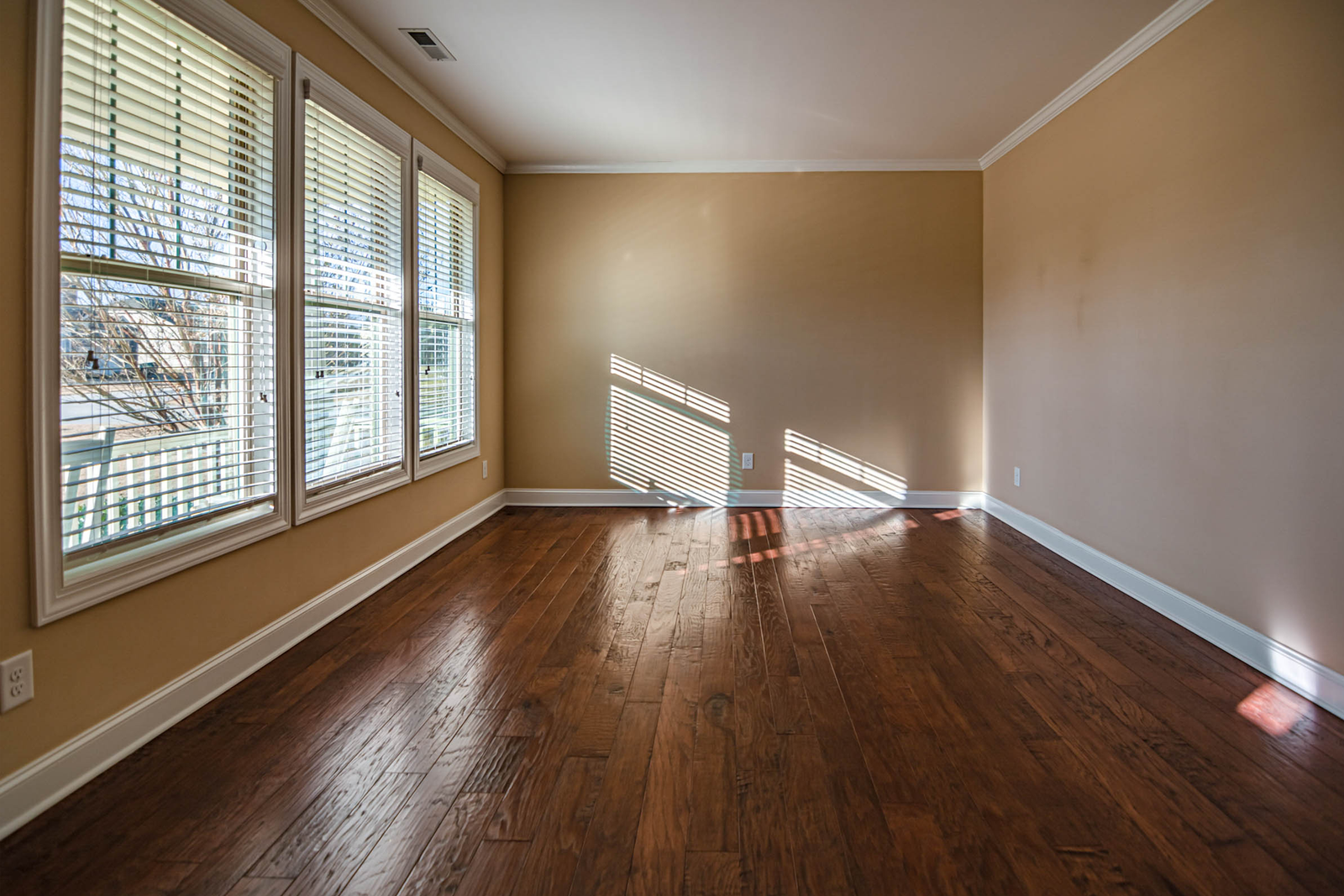
Make good is a separate scope, quoted separately, and it is the part most relocations discover three weeks too late. Drag the handle to see the same floor before and after.
At handover
After make good
Before and after comparison of an office tenancy make good.
What a make good scope covers
Strip-out of non-base-building fitout. Partitions, joinery, tea points, signage and data cabling installed under your fitout licence.
Ceiling, lighting and services. Reinstatement of grid tiles, diffusers, sprinkler heads and supply air to the base building layout.
Patch, prepare and paint. Wall penetrations filled, surfaces prepared and repainted to the schedule in your lease.
Floor coverings. Carpet tile replacement or reinstatement where the lease requires the original specification.
Handover clean. Full builders clean, glazing internal and external where reachable, and kitchen and amenities detail.
Photographic handover pack. Room-by-room photographs and a condition report issued to you and to the outgoing lessor.
You are not handed to a call centre. A named manager runs your program from the first site walk to the last crate collected, and is on site through the shutdown.
Priya Raghunathan
Principal Relocation Manager
17 yearsCBD towers and multi-floor programs
Priya runs the largest programs on our books: multi-floor Terrace relocations where the dock window is the hard constraint and every hour is spoken for.
Led the 1,840 m² two-floor Terrace relocation with a three-hour nightly dock allocation
Writes the runsheet template every other manager works from
Former building operations coordinator, which is why the dock bookings land first
Callum Beattie
Relocation Manager, IT and Comms
12 yearsComms rooms, rack decant and cutover sequencing
Callum owns the comms room work package. He writes the readiness reports, and he is the reason we send them in writing even when the answer is unwelcome.
Rack audits documented to the RU, front and rear, at both sites
Coordinates with managed service providers and cablers on cutover order
Holds the line on destination readiness before a shutdown date is locked
Anthea Molloy
Records and Custody Lead
9 yearsChain of custody, archive inventory and destruction
Anthea built our custody process. She is the person who insists cartons are barcoded in your file room rather than at our depot, because custody has to start where the records are.
Owns the barcode, shelf location and destruction certificate process
Runs monthly inventory statements including approaching destruction dates
Works with practice managers and records officers on retention mark-up
Jarrah Woodley
Operations Manager
21 yearsCrew, fleet and the Osborne Park depot
Jarrah runs the depot and the fleet. Twenty-one years in and he can still tell you which pantech will not clear a West Perth basement without measuring it.
Fleet of tail-lift 4.5 t and 8 t vehicles plus pantechs for linehaul
Maintains the AFRA equipment audit schedule and crew competency records
Sizes the fleet to the dock window rather than the consignment
Sofia Marchetti
Relocation Manager, Health and Education
8 yearsConsulting suites, campuses and vendor coordination
Sofia handles clinics, practices and campus departments, where the constraint is rarely access and almost always the calendar: a term break, a clinic list, a semester.
Coordinates manufacturer technicians for analysers, sterilisers and imaging
Plans around clinic lists and term breaks rather than lease dates
Patient and student record moves under documented custody
Darren Oyelaran
Interstate Coordinator
14 yearsCorridors, modules and linehaul scheduling
Darren owns the departure calendar. If you want to know whether your consignment makes Wednesday's run to Adelaide, he is the one with the answer.
Weekly southern corridor departures and the fortnightly Brisbane run
Module sealing, seal number records and destination depot holding
Quarantine and dangerous goods screening before loading
Coverage
Perth metro, and every capital beyond it
Metro crews work from the Osborne Park depot. Each suburb below carries the access constraints that actually change the plan: dock heights, goods lift allocations, basement clearances and heritage restrictions.
Osborne Park depot
Unit 4, 120 Hasler Road · Module storage and archive shelving
The whole program, recapped. This is the shape of a standard single-floor relocation; multi-floor work stages the same six beats across more nights.
Thu 4:00 pm
Floors packed, crates labelled
Staff have packed their own workpoints. Shared areas, kitchens and compactus are packed by our crew. Every crate carries a floor colour and a workpoint number.
Fri 5:00 pm
Shutdown, comms room first
Last backup confirmed by your IT team. Devices powered down in order, racks audited, cables labelled at both ends and decanted into anti-static crates.
Fri 8:00 pm
Dock open, workstations down
After-hours dock slot opens. Workstations are dismantled, parts bagged to component, tops stillaged and chairs skated. Loading runs to the runsheet, floor by floor.
Sat 7:00 am
Racks landed, furniture built
Racks re-racked and patched to the new schedule. Workstations built to the numbered destination plan, desk heights reset, monitor arms refitted, cable trays re-run.
Sun 10:00 am
First boot and floor walk
Your IT team powers on and tests while our crew are still on site. Crates are positioned at numbered workpoints. The relocation manager walks every floor against the manifest.
Mon 7:30 am
Monday-ready, crew on site
A small crew stays through the first morning for adjustments: desk heights, screen positions, a chair swap, a crate in the wrong bay. Crate collection is booked for the Friday.
Enquiry
Start here
Tell us the building, and we will tell you the plan
Four questions. Then a call, a site survey of both tenancies, and a written proposal with the storage rate quoted from day one so a fitout delay never becomes a variation.
A named manager, not a queueOne of six relocation managers is assigned before the site survey and stays with the program to crate collection.
Free site survey across Perth metroWe measure both tenancies: dock height, goods lift, comms room, floor loading and the route in between.
An itemised project priceCrew hours, vehicles, crates, storage per module per week and cover options, each on its own line.
Proposal in three business daysFrom the survey, not from the enquiry. Complex multi-floor programs take five.